Industry & Processing
Keep your line running through every outage.
When the grid drops, the line stops and the generator eats into your margin. We design, buy, install and commission solar, battery and generator systems that keep production running and cut diesel use.
1,400+ kWp
Installed across industry
4,074 kWp
Total solar installed
3,923 kWh
Battery installed
15
Years in East Africa
Energy is your most controllable production cost.
A processing plant depends on its uptime. Every outage halts the line, spoils a batch and forces a hard restart on motors and controls, while diesel keeps getting more expensive. A Backup system, with solar, battery and generator working together, carries your process through outages, and the generator runs far less. A Solar Savings system has no battery. It cuts your grid bill during the day, but it does not keep the plant running in an outage. We start from your electricity bills and load data and size the system to your plant. We design, buy, install and commission the whole system ourselves and have done so since 2011, so one team stays accountable from the first site visit to years of service.
20 to 30%
Typical return, Solar Savings system
3 to 5 years
Typical payback, Solar Savings system
40 to 60%
Less diesel, with solar in front of the generator
1,400+ kWp
Installed across industry
Tea & Coffee Processing
Withering, drying and leaf-processing lines pull heavy power all day, often on weak rural grids.
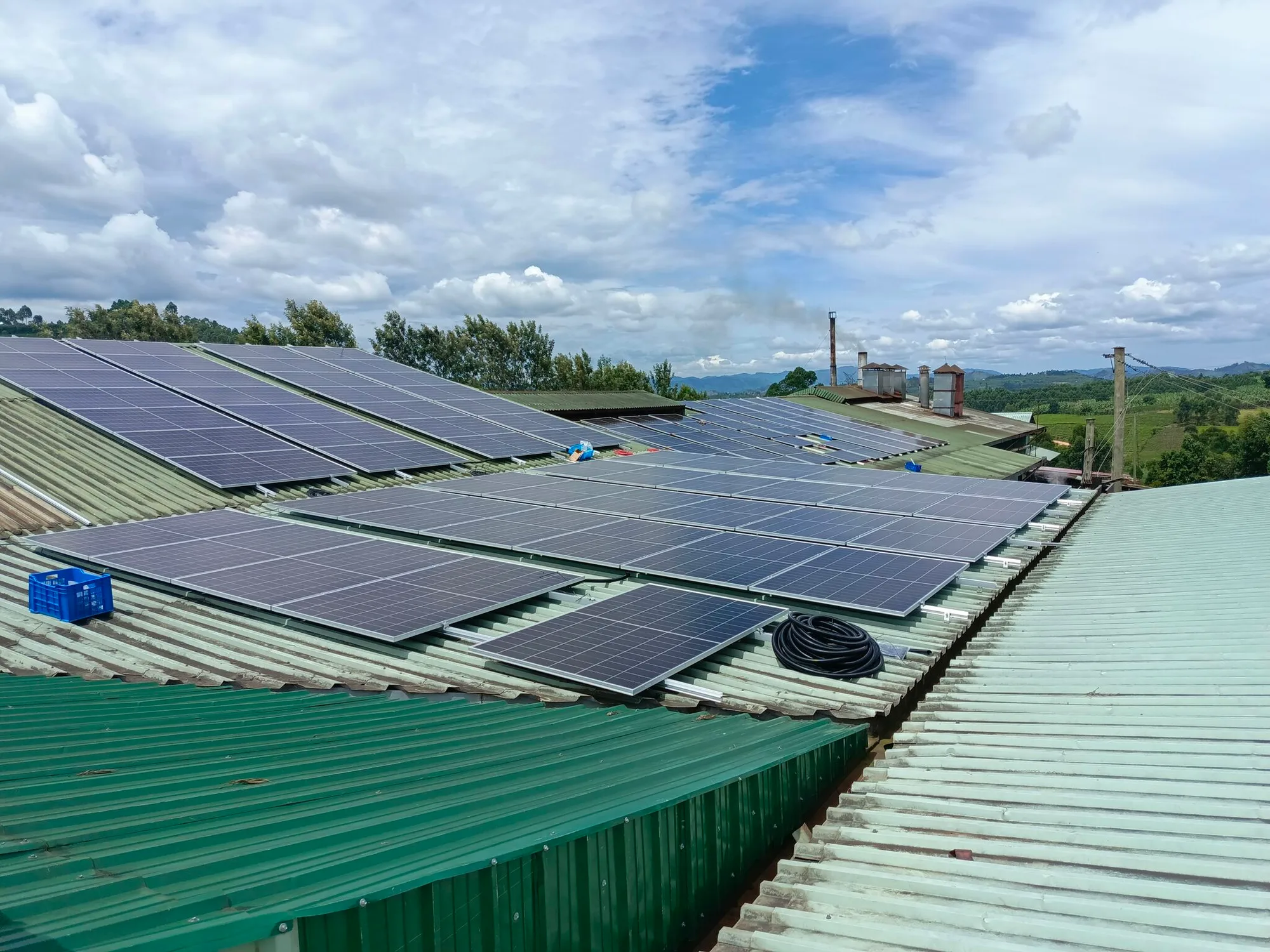
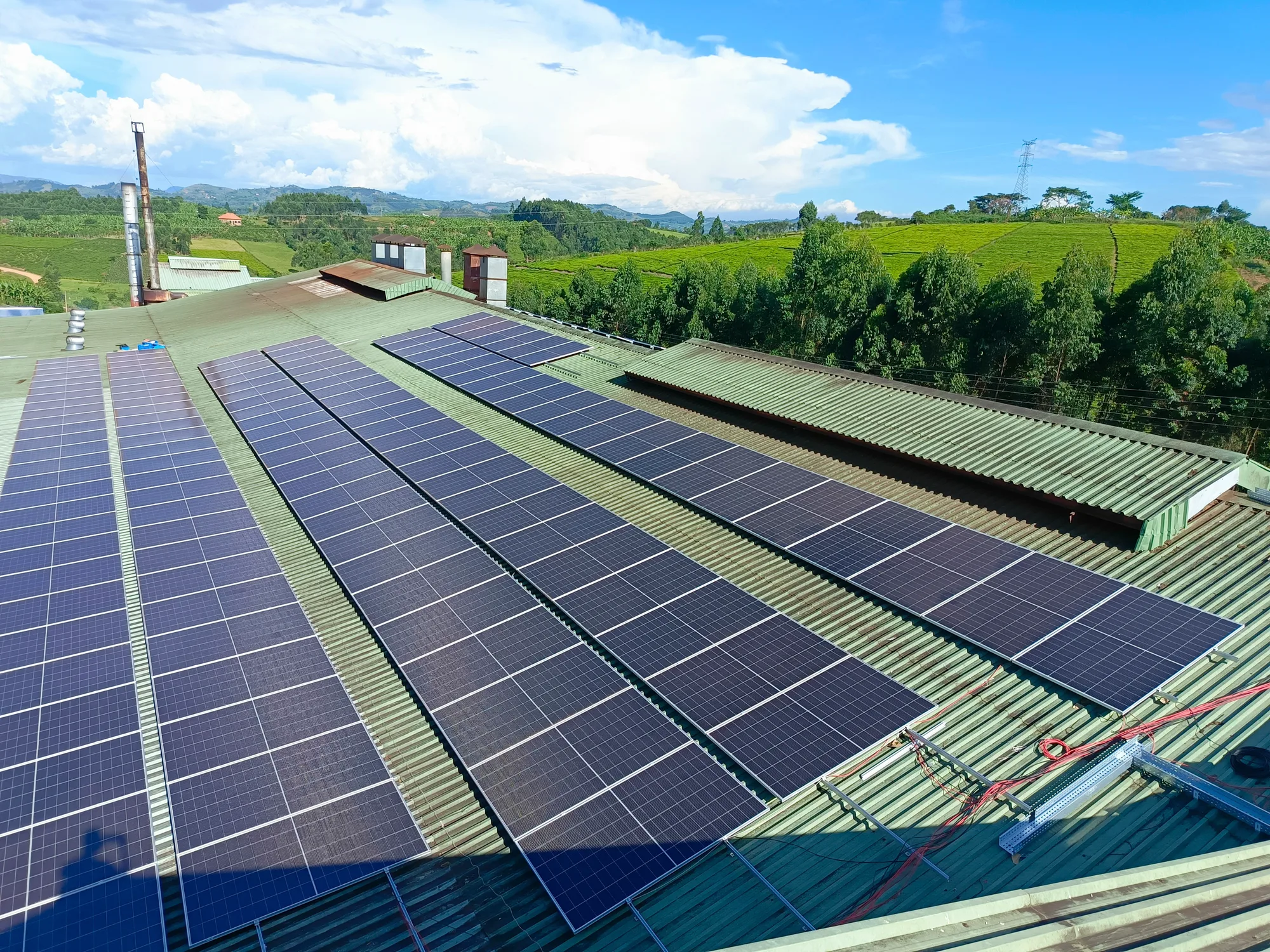
Tea and coffee factories run long, power-hungry processing days, usually far from a strong grid. We design a hybrid system, where solar and battery work together with the grid and your existing generator, around your daily production load, so drying and processing keep running when the grid does not. Our largest hybrid system to date runs the Kyamuhunga tea factory in Bushenyi. It has 500 kWp of solar panels (kWp is the rated panel power) and a 200 kWh battery (kWh is stored energy).
- Covers the daytime processing load
- Works with your generator through long outages
- Sized to your production load
500 kWp
Kyamuhunga Tea system
+ 200 kWh
Battery on site
7 factories
Tea-sector advisory (GIZ)
40 to 60%
Less diesel, with solar in front of the generator
Dairy & Milk Processing
Chilling and processing never stop, and a single interruption can put a whole batch of milk at risk.
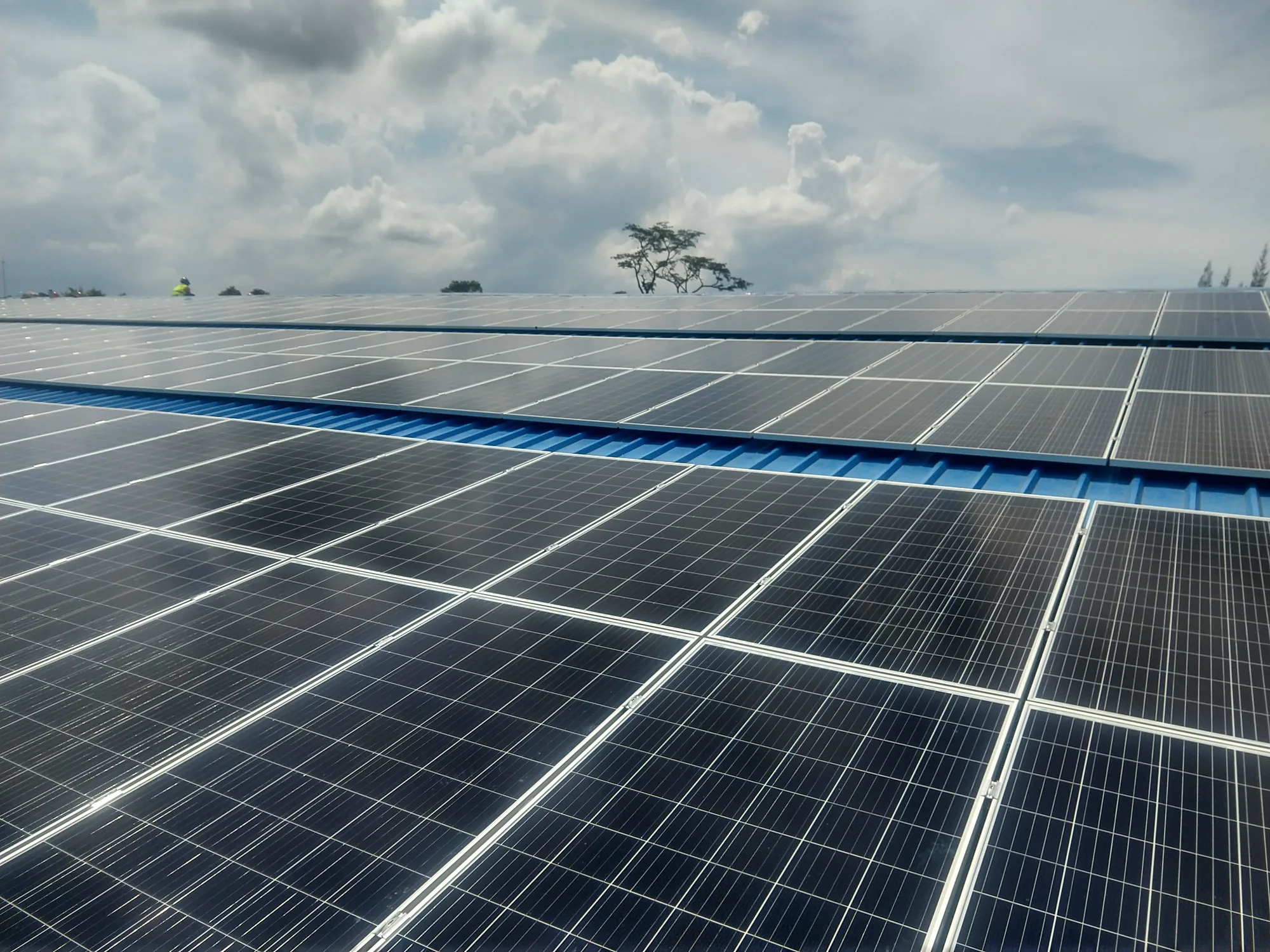
Dairy plants need uninterrupted power for chilling, pasteurising and processing. We connect solar with the grid and the generator, so cooling and the process line keep their supply. At Jesa Farm Dairy, solar runs the continuous process loads by day, with the generators connected behind it as backup.
- Milk cooling stays on
- Solar, grid and generator on one controller
- Protects continuous process loads
200 kWp
Jesa Farm Dairy system
2022
Commissioned
Food & Beverage
Processing, packing and refrigeration run through the day, which is exactly when solar produces most.
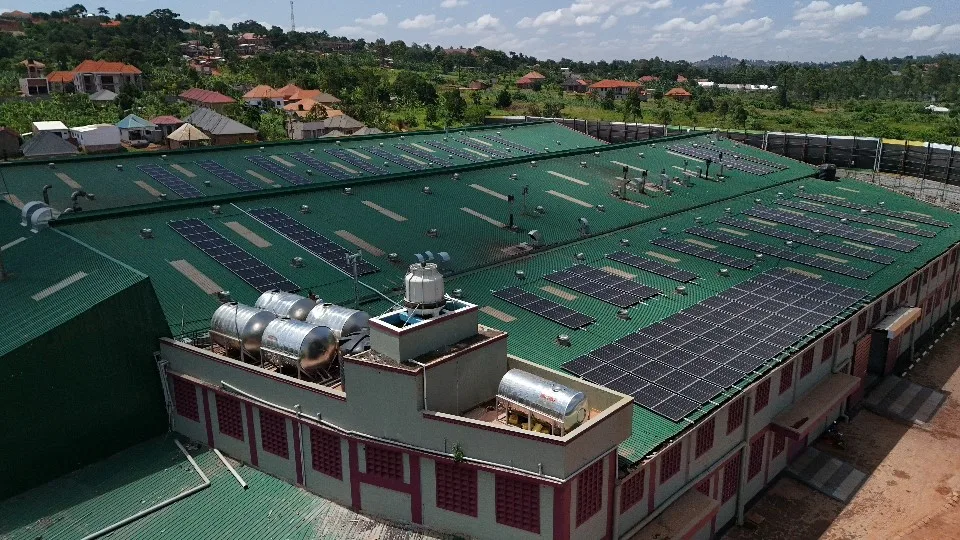
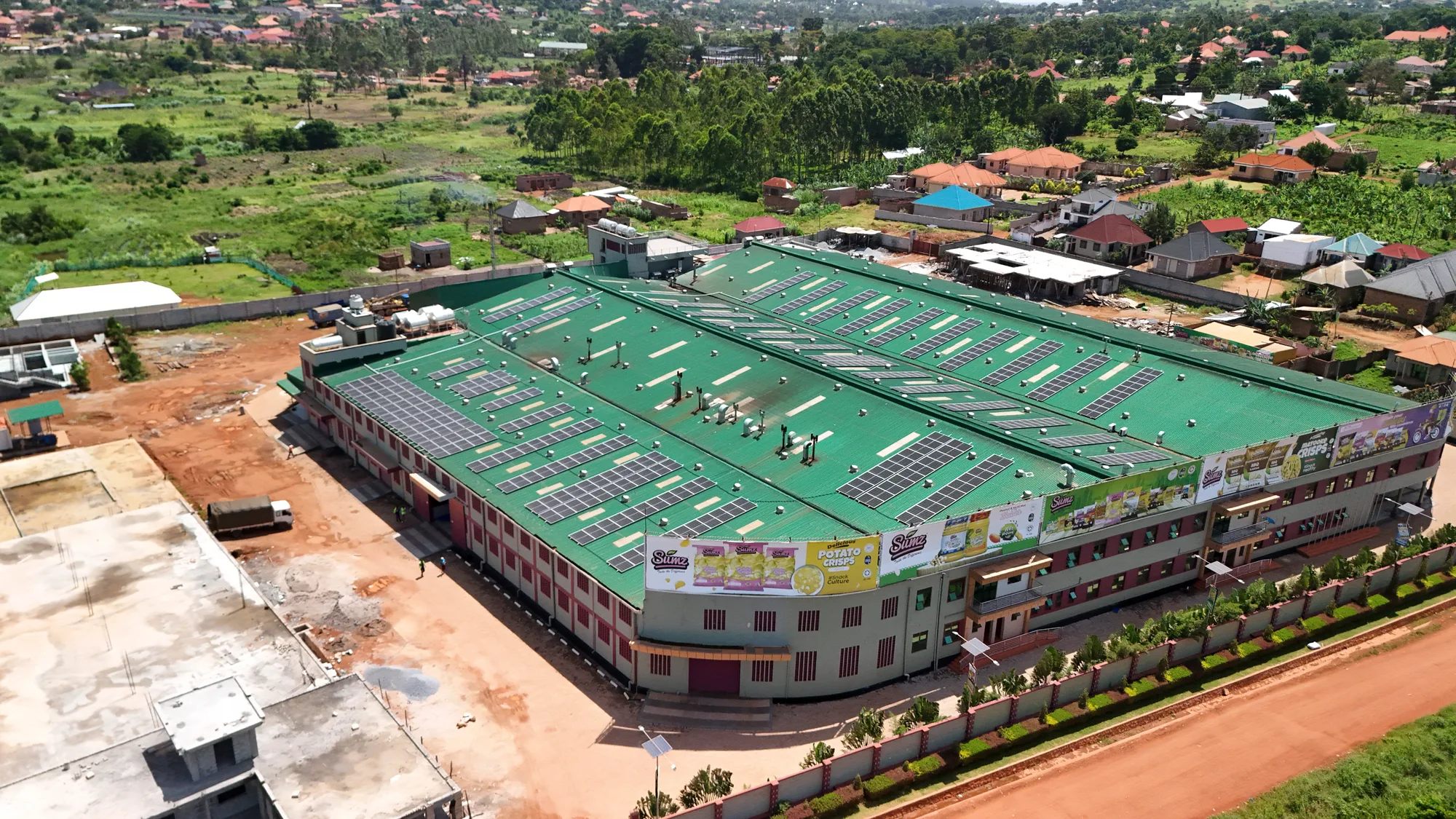
Food and beverage plants carry a steady daytime load that solar covers well, and a battery, where you add one, protects the cold chain and critical circuits in an outage. Systems can be delivered under a power purchase agreement (PPA), where you pay per unit of solar power instead of buying the system, and you start saving from day one. Sumz Food Industries in Nkoowe covers its full daytime process load this way.
- Daytime process load covered
- Cold-chain circuits protected
- Available with no upfront cost
250 kWp
Sumz Food system
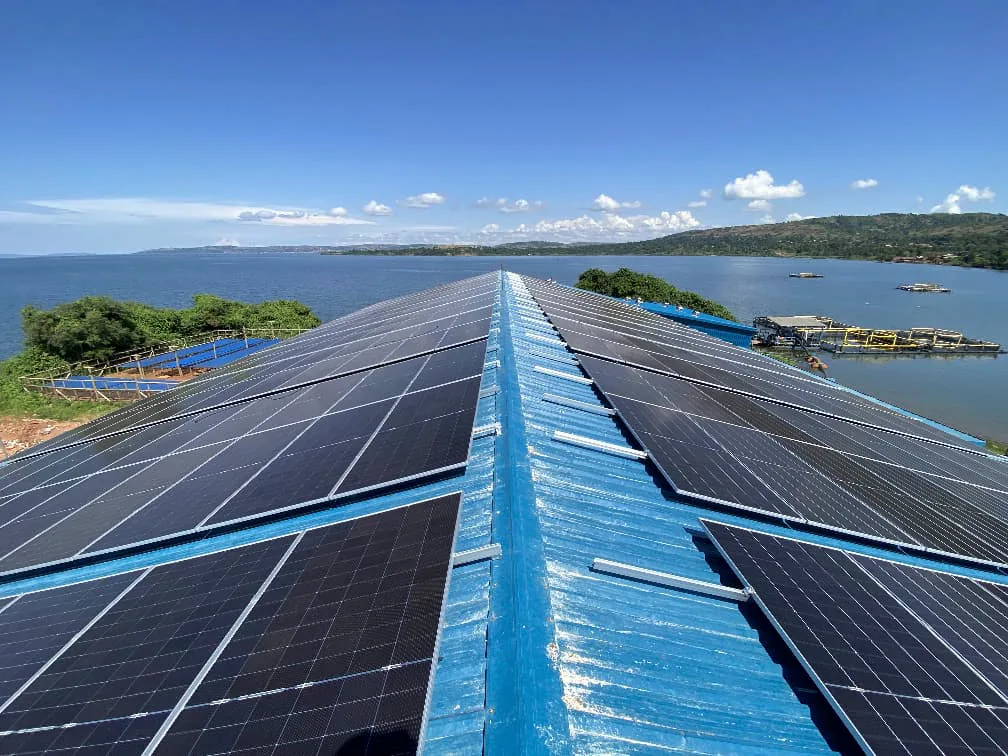
303 kWp
Yalelo aquaculture
Consumer Goods (FMCG)
Steady shift loads are a good match for solar power used on site and paid for under a power purchase agreement.
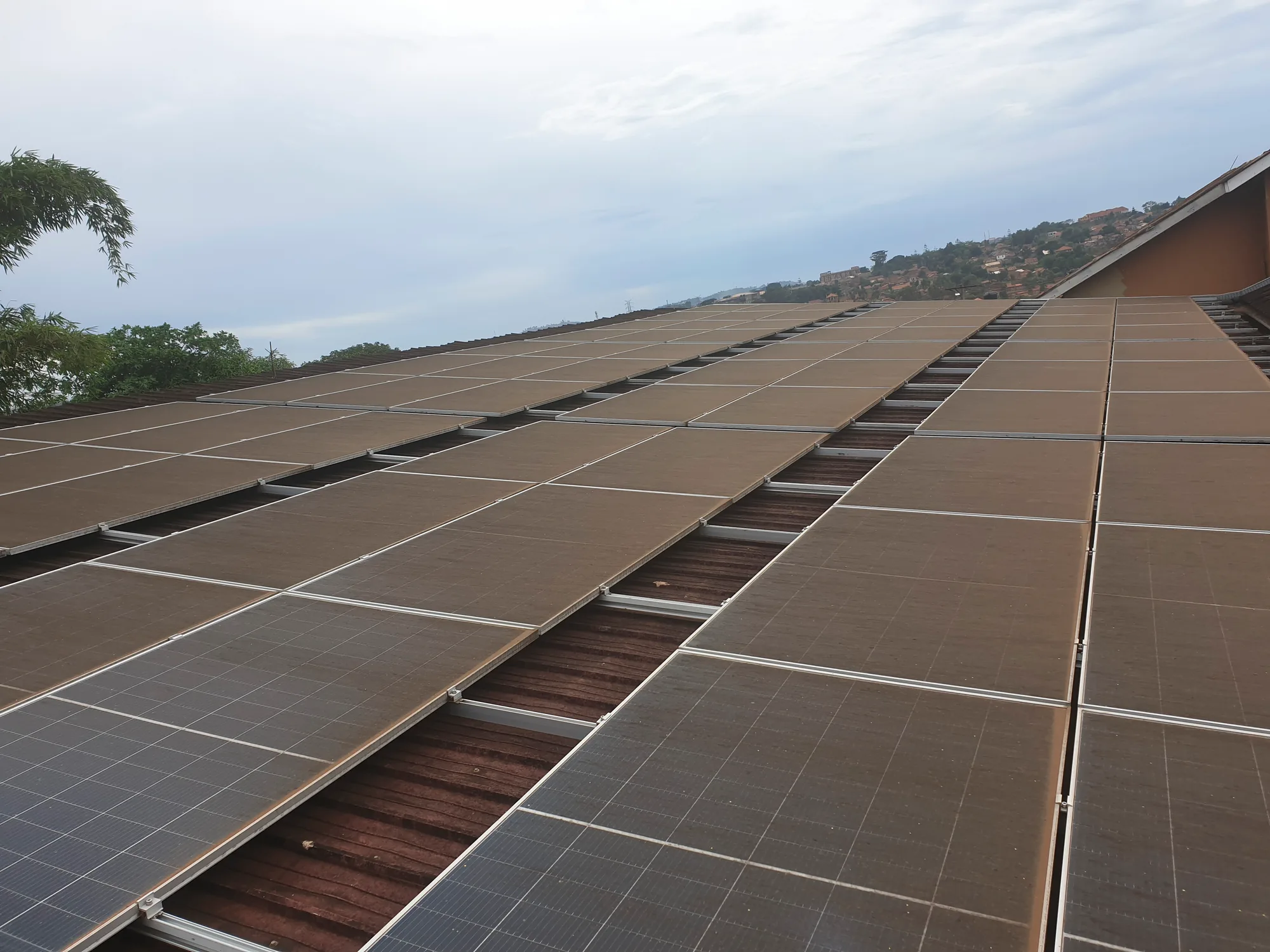
Consumer-goods plants run consistent shift loads. A solar system that runs alongside the grid and is sized to that load lets the plant use everything it produces. Uganda does not pay commercial users for power fed back into the grid, so we set these systems to zero feed-in, which means no power flows back to the grid. At Everbrown Millers & Bakery we built systems on two neighbouring plants under a single agreement. Both pay less to the grid from the first day, with nothing paid upfront.
- Runs alongside the grid, nothing exported
- Sized so you use every unit
- One agreement across several plants
120 kWp
Everbrown, two plants
75 kWp
Spouts of Water
Cold Chain & Logistics
Meat, fish and produce businesses depend on cold rooms that have to stay cold through every outage.
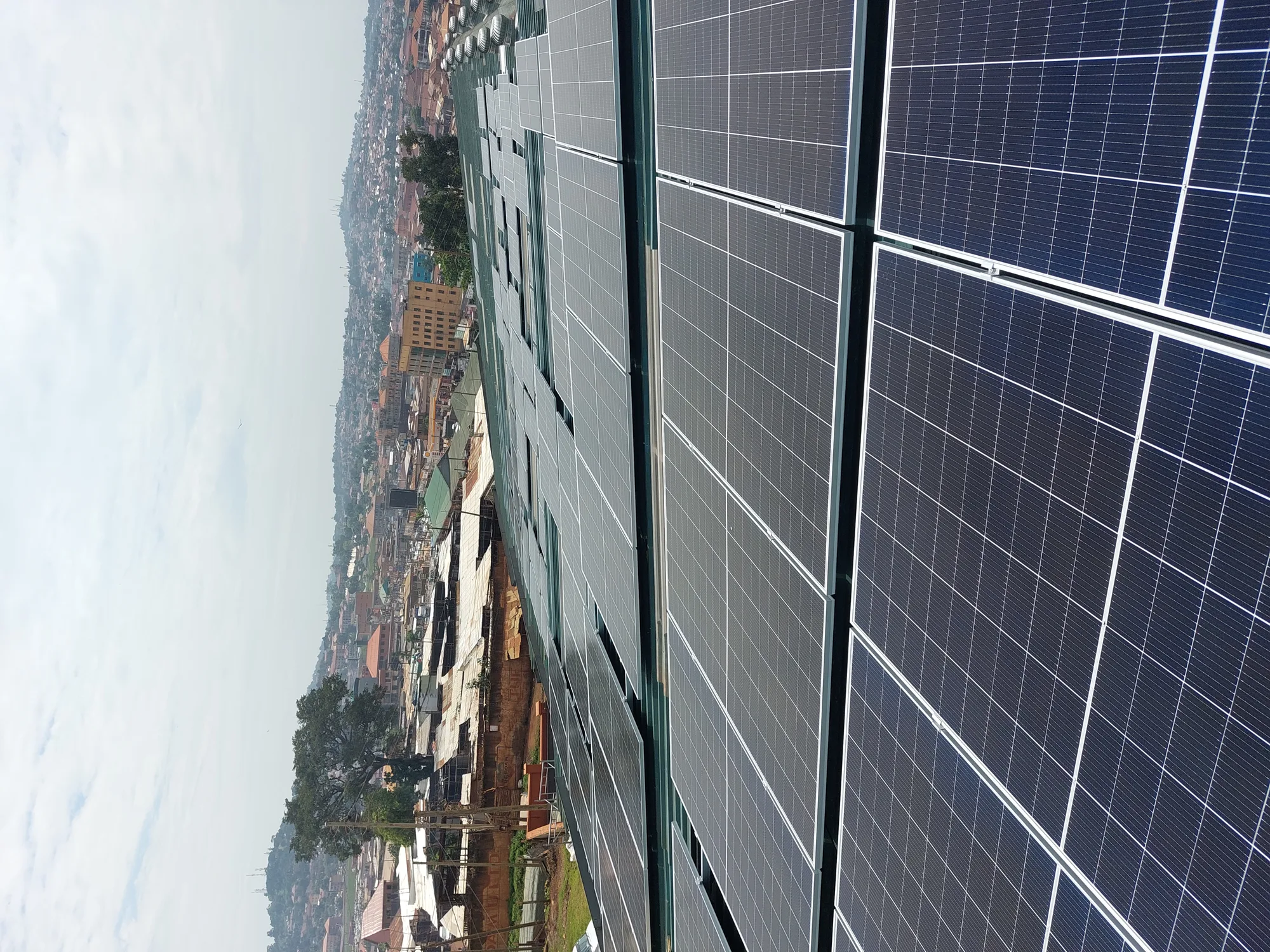
When the power goes, a cold room starts losing stock. We put refrigeration and controls on protected circuits with battery backup and tie solar in with your existing generator. At Ranchers Finest, a Kampala meat processor, solar carries the cold chain by day and the generators run far less.
- Refrigeration on battery backup
- Works with your generator
- Critical circuits on their own protected supply
150 kWp
Ranchers Finest
2023
Commissioned
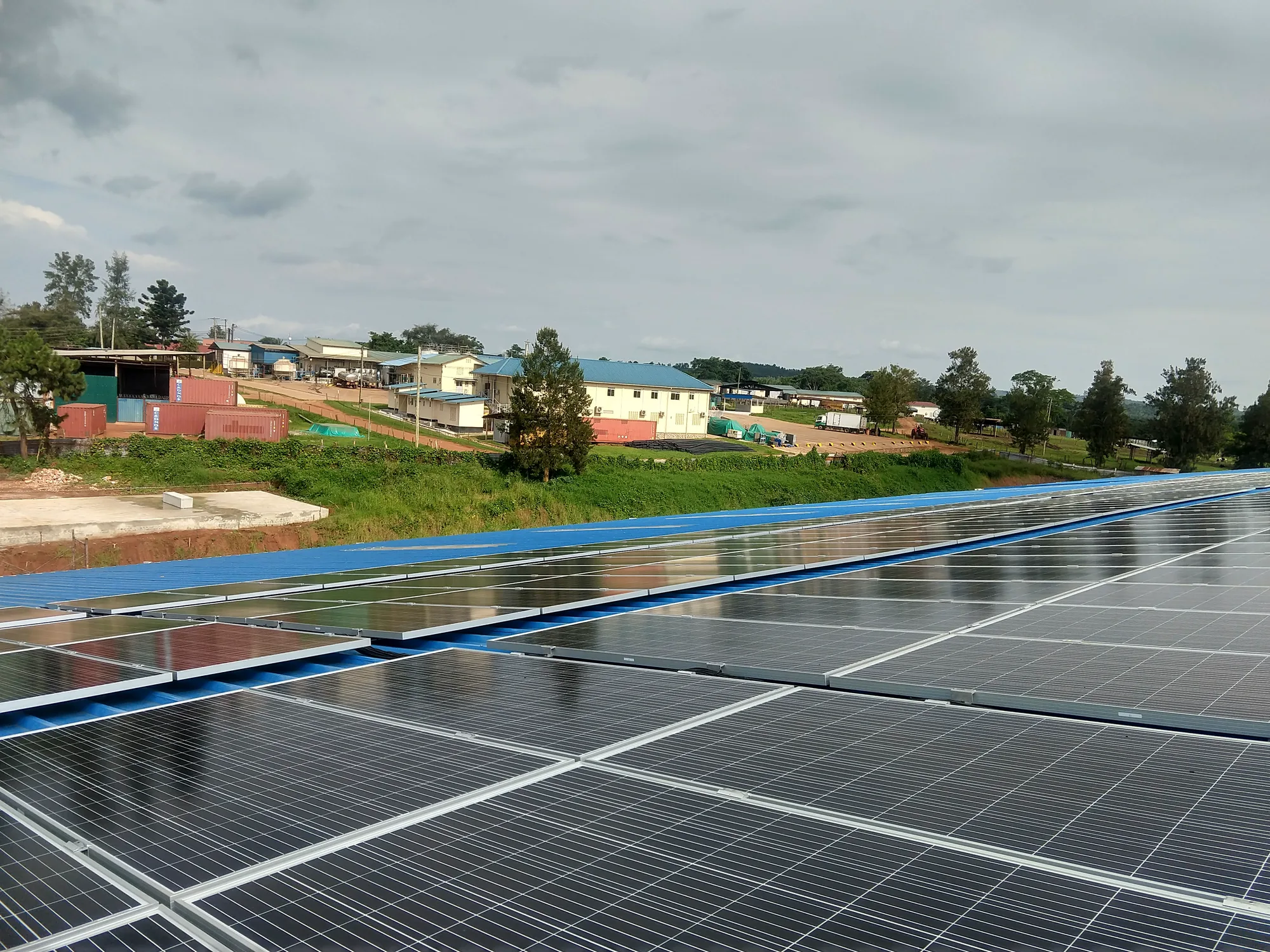
Some of the projects we have delivered
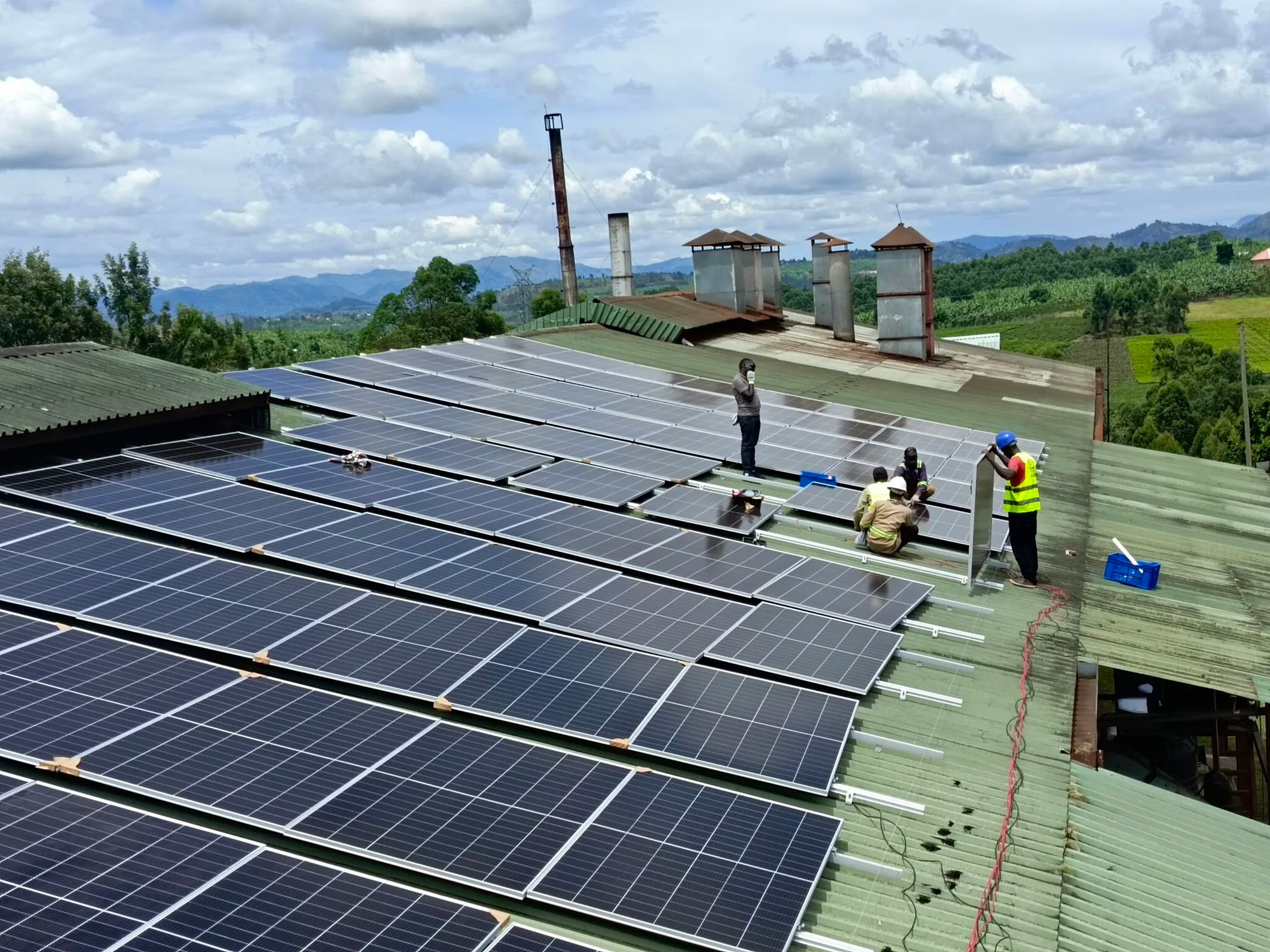
What full daytime cover actually looks like at a food processor
A 250 kWp grid-tied system at Sumz Food Industries in Nkoowe covers the full daytime process load and is paid for under a power purchase agreement (PPA). The sizing follows from the load and from Uganda’s grid rules.
Read more →Why we specify LFP over NMC on weak grids
A battery on a weak Ugandan grid cycles more often than the same battery in a stable market. That decides the chemistry we choose and how long it lasts.
Read more →Zero feed-in: what it means when the grid will not take your surplus
Uganda has no net metering for commercial and industrial users. This fact decides how we size every grid-tied system.
Read more →