E-Mobility
Solar-powered EV charging
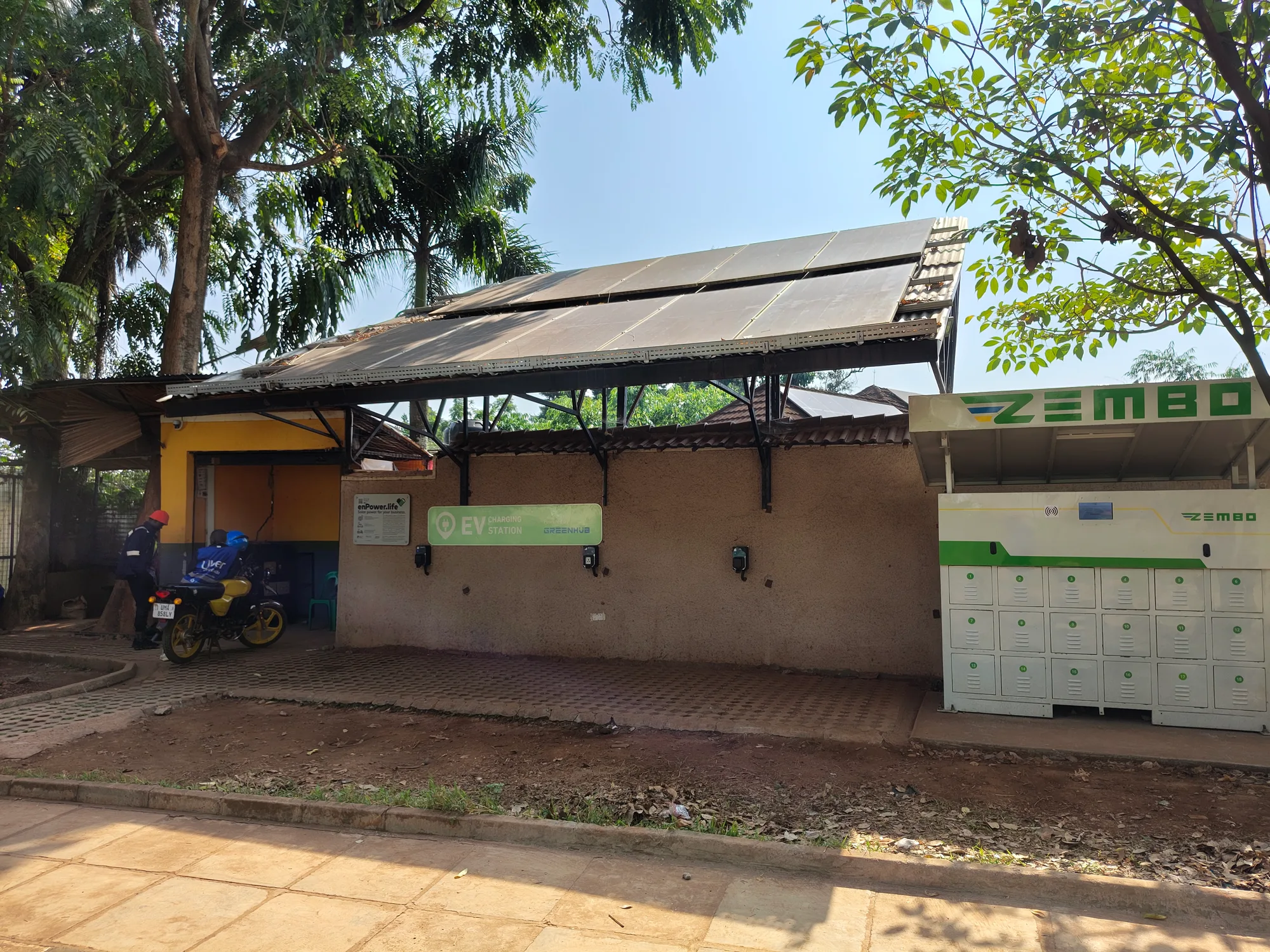
We equip electric vehicle charging stations with solar power and battery storage, and install chargers for institutions and development partners. We do not sell or operate vehicles.
5
Charging projects built
2
Development partners
15
Years in East Africa
15 kWp
Largest charging site
EV charging that runs on solar power
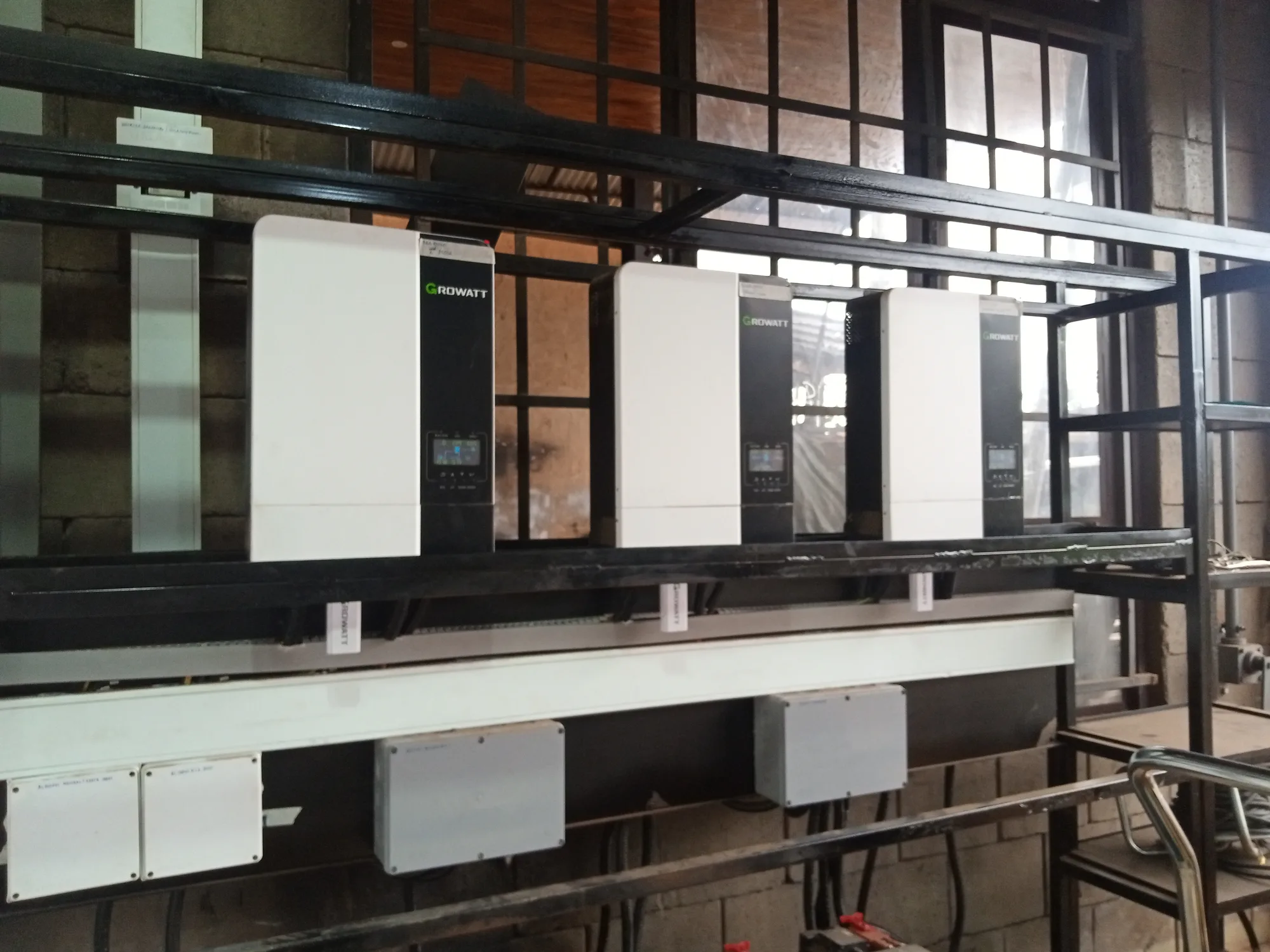
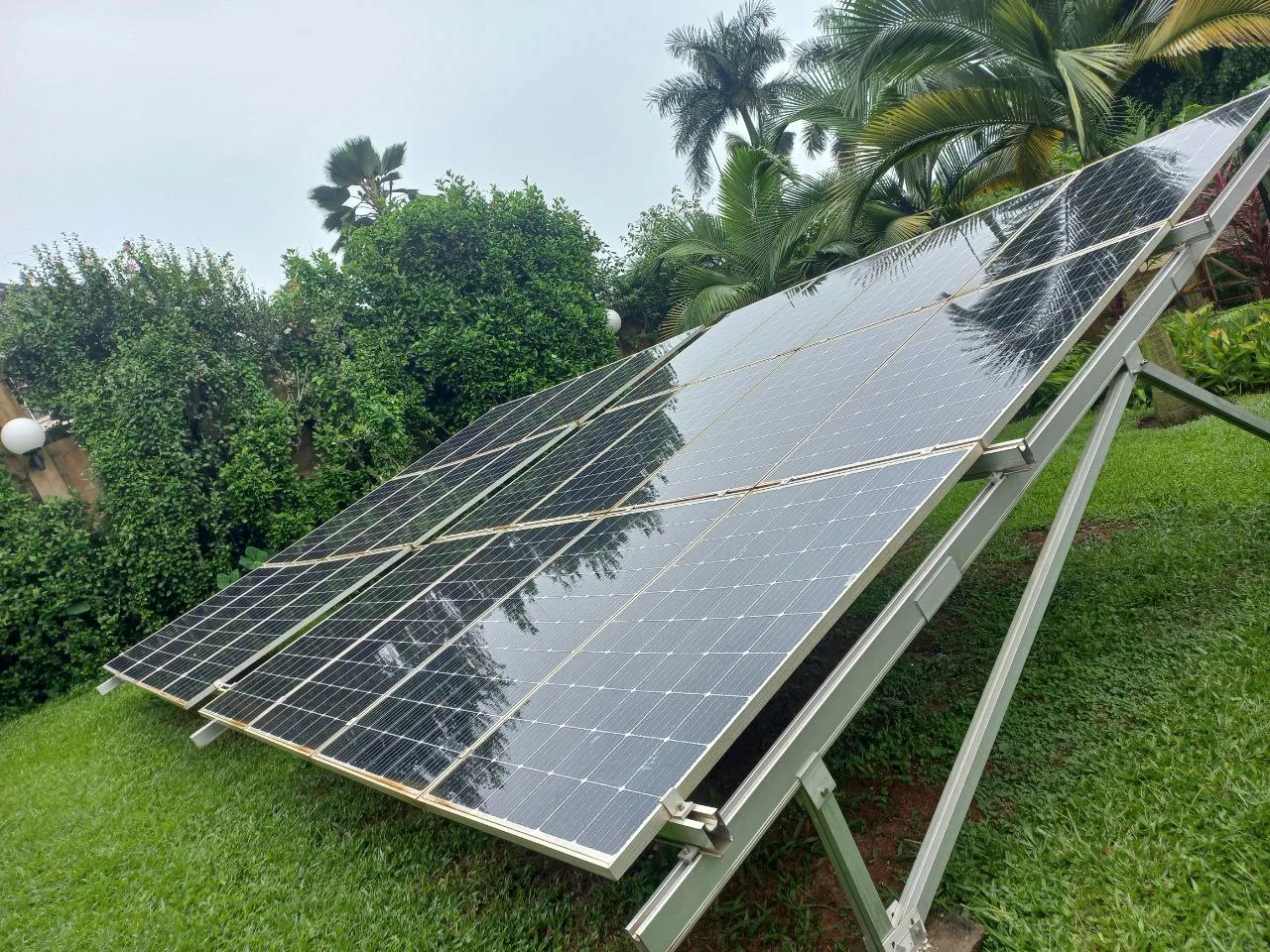
We connect EV chargers to their own solar and battery system instead of taking power straight from the grid, so charging does not add to your peak demand, the highest load your site draws at any one time. Every project starts with a feasibility study. We then size the system around your fleet and bring charging into the same energy management system that runs the rest of your installation.
A charging project has four parts.
Charging Station: Solar & Battery Integration
Your chargers draw from their own solar and battery system, so charging never adds new peak demand to your site.
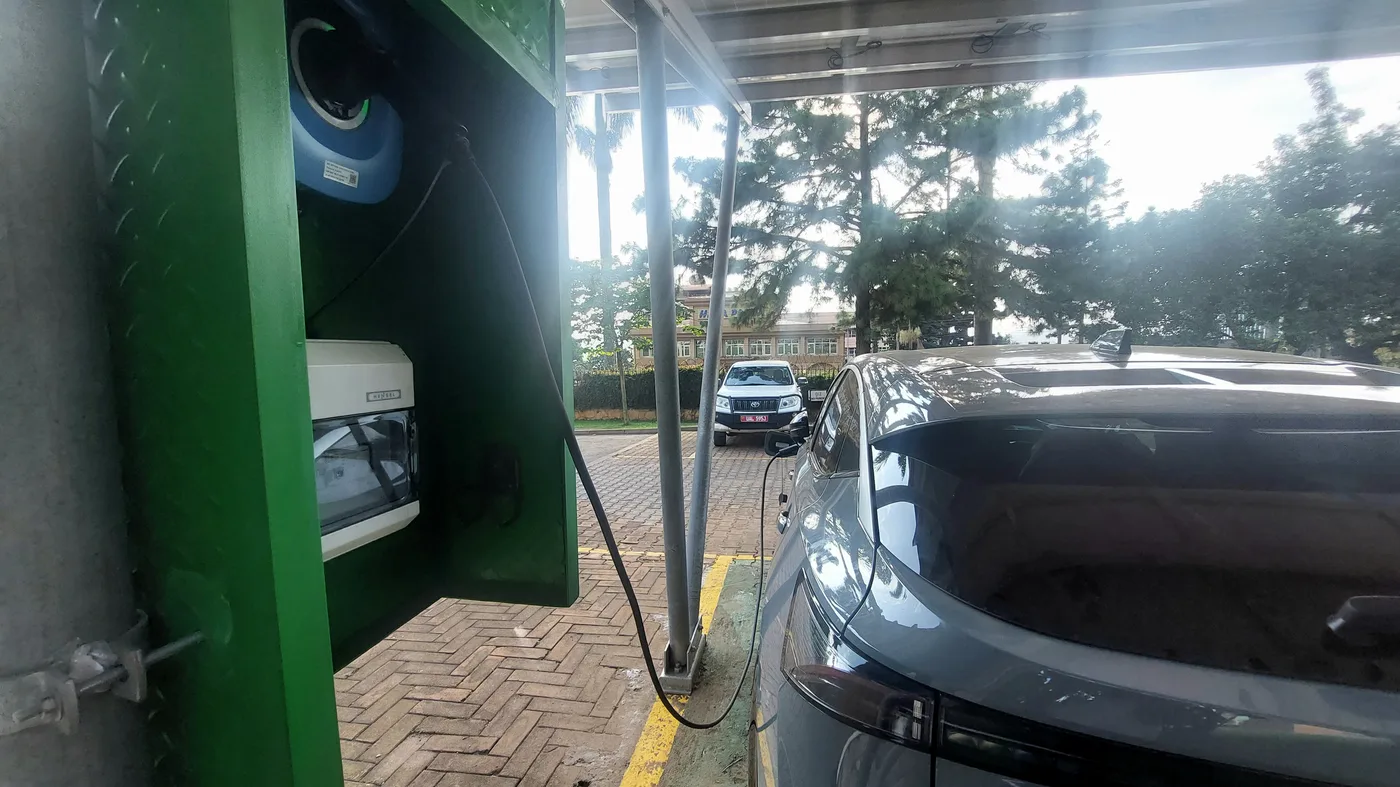
We size the solar and battery system around the number of vehicles and when they need to charge, so the chargers run on your own power rather than the grid. We commissioned this for the Nissan Ariya charger at the GIZ country office in Nakasero in 2023.
- No new peak demand on your site
- Sized to fleet and schedule
- Proven on the GIZ Nissan Ariya charger
Feasibility Studies
Before any charger goes in, we assess fleet size, charging patterns and available solar space, and hand you a sized system and cost model.
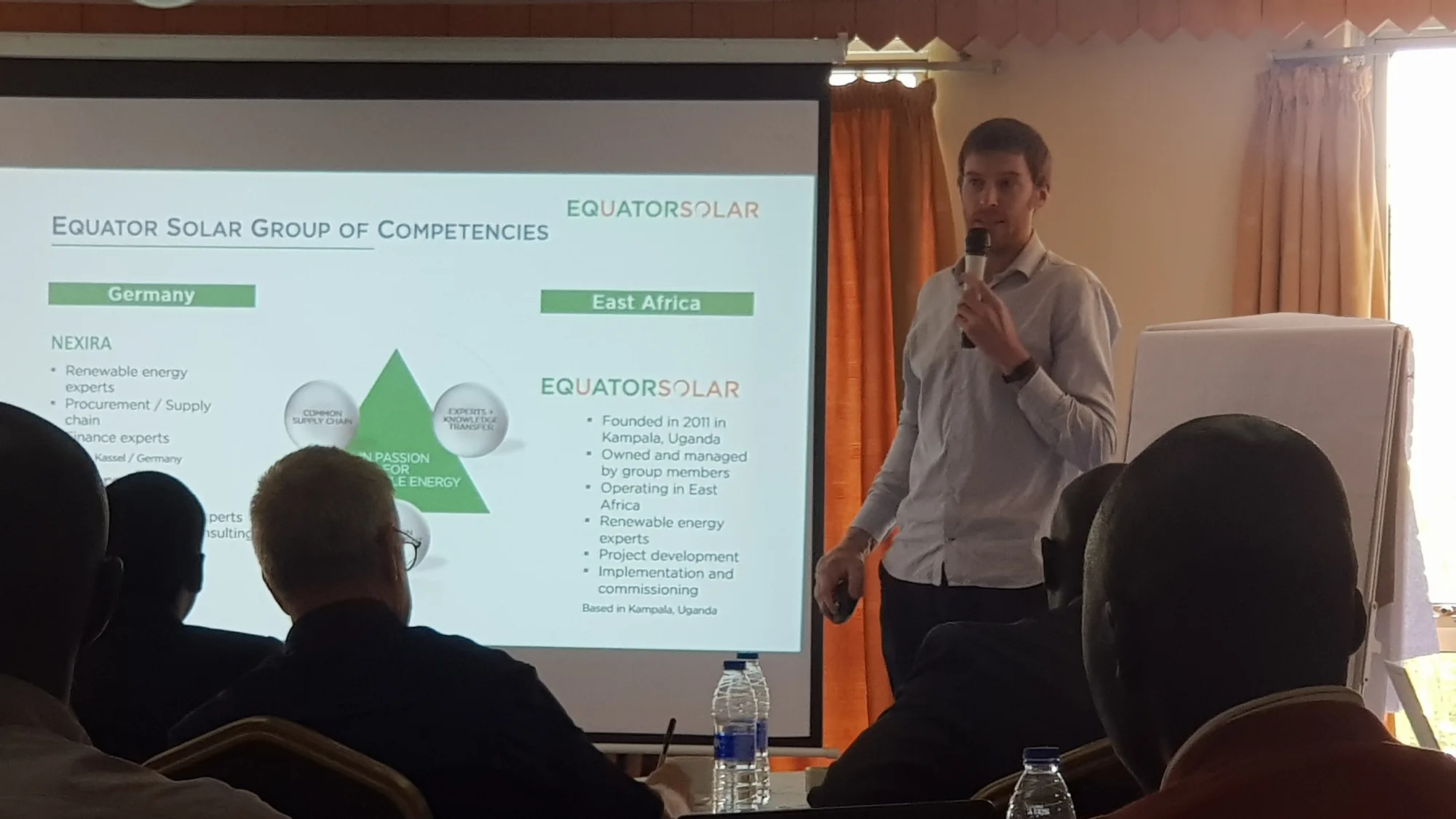
Before any charger goes in, we assess your fleet size, charging patterns and the roof or ground space available for solar. You get a sized system and a cost model, the same approach we used for the EV charging feasibility study for the Embassy of the Kingdom of the Netherlands. It suits institutions planning to move a whole fleet to electric rather than buying a single charger.
- Fleet and charging-pattern assessment
- Sized system and cost model output
- Made for moving a whole fleet to electric
Energy Management System Integration
We bring charging into the same energy management system (EMS) as the rest of your installation, so generation, storage and vehicles run as one system.
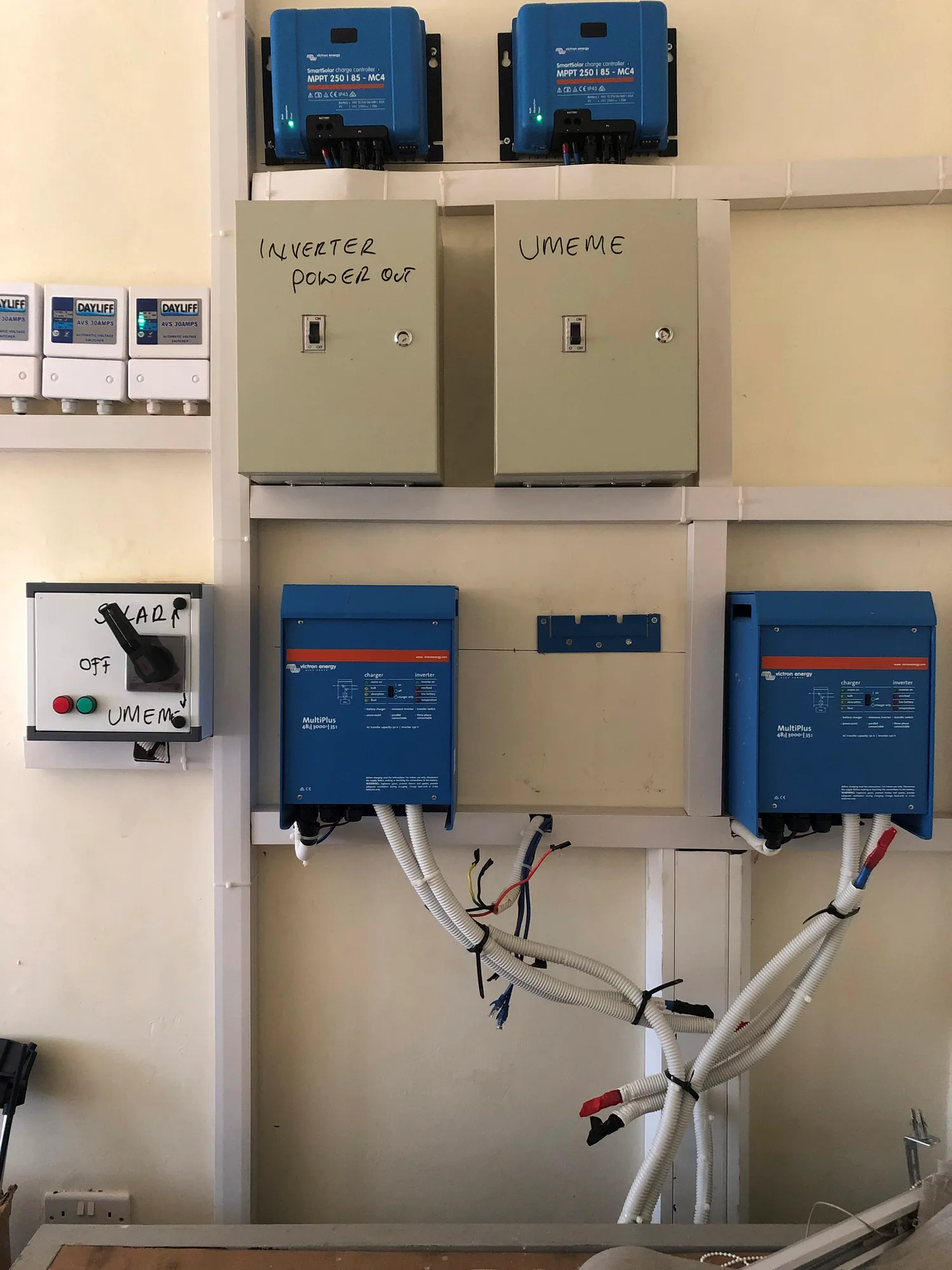
The energy management system is the software that controls your solar panels, battery and power use. We add vehicle charging to it, so generation, storage and charging are managed as one system rather than three. Charging can then be scheduled for when the sun is strongest, which keeps the power you take from the grid to a minimum. It runs on the same EMS platform we use at the sites we monitor under O&M contracts.
- Generation, storage and charging as one system
- Charging scheduled around solar
- Same EMS as our monitored sites
Institutional & Development Cooperation Projects
We build charging infrastructure for embassies, agencies and public institutions, with procurement and reporting that meet donor requirements.
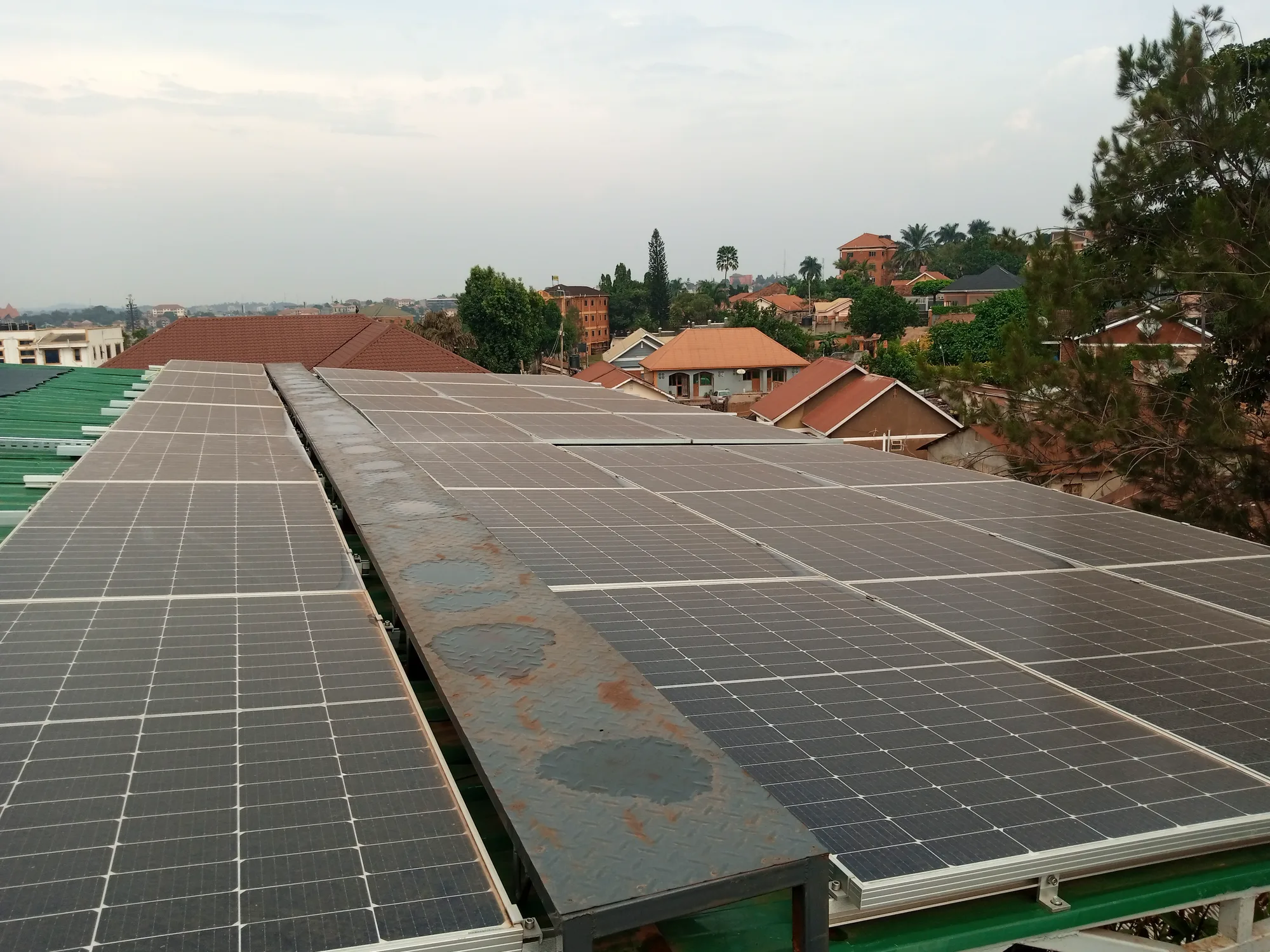
We work with embassies, development agencies and public institutions on charging infrastructure for their own fleets or for public-access programmes, rather than for private vehicle owners. The Yujo charging hub and the Africrooze charging station in Bugiri, which is under construction, are both institutional-scale projects in this category. We structure procurement and reporting to match donor and government requirements.
- Embassy, agency and public clients
- Donor-grade procurement and reporting
- Built for institutions rather than private owners
.webp)